
In Sync
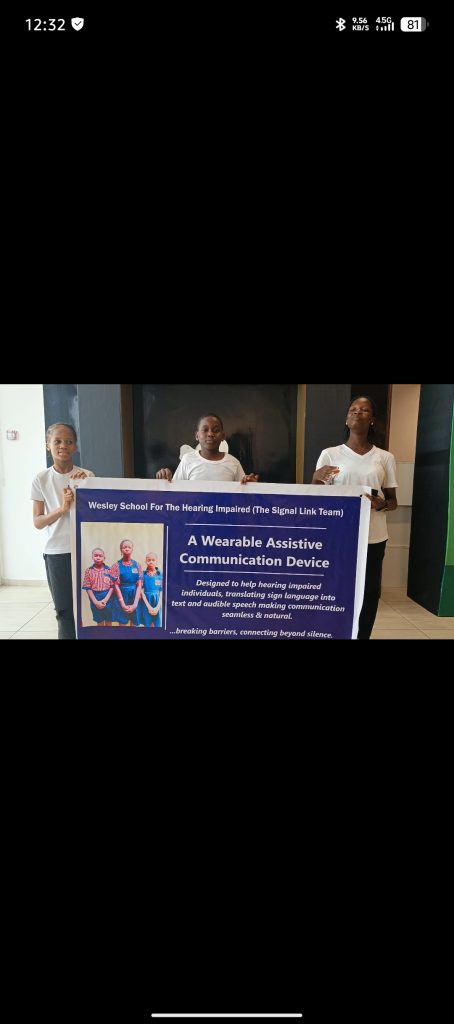
InSync Wearable Glove for the Hearing Impaired
InSync is an innovative wearable smart glove designed to support people with hearing impairments by making communication with the wider society easier and more inclusive. Many individuals who use sign language face communication barriers because most people around them do not understand sign language. This often leads to misunderstanding, exclusion, and inequality in everyday interactions.
The InSync wearable glove helps bridge this gap by translating sign language into readable text so that others can easily understand what the user is communicating.
How InSync Works
When the user wears the glove, sensors embedded in the fingers detect the movement and positions of the hand while the person makes sign language gestures. These movements are interpreted by an AI-powered system connected to the glove.
As the user forms a sign with their fingers, the sensors capture the motion and send the data to a small processing unit. With the press of a button, the AI system analyzes the sign and translates it instantly into text. The translated message then appears on a small LCD screen attached to the device.
This allows people who do not understand sign language to read and understand the message immediately, making conversations easier in schools, hospitals, markets, and public spaces.
Impact
InSync promotes inclusive communication and reduces the social barriers faced by people with hearing impairments. By helping sign language be understood by the wider community, the glove encourages equal participation, independence, and confidence for users in everyday life.
In simple terms, InSync gives a voice to sign language, helping create a society where communication is more accessible for everyone. ✨
BreathBuddy
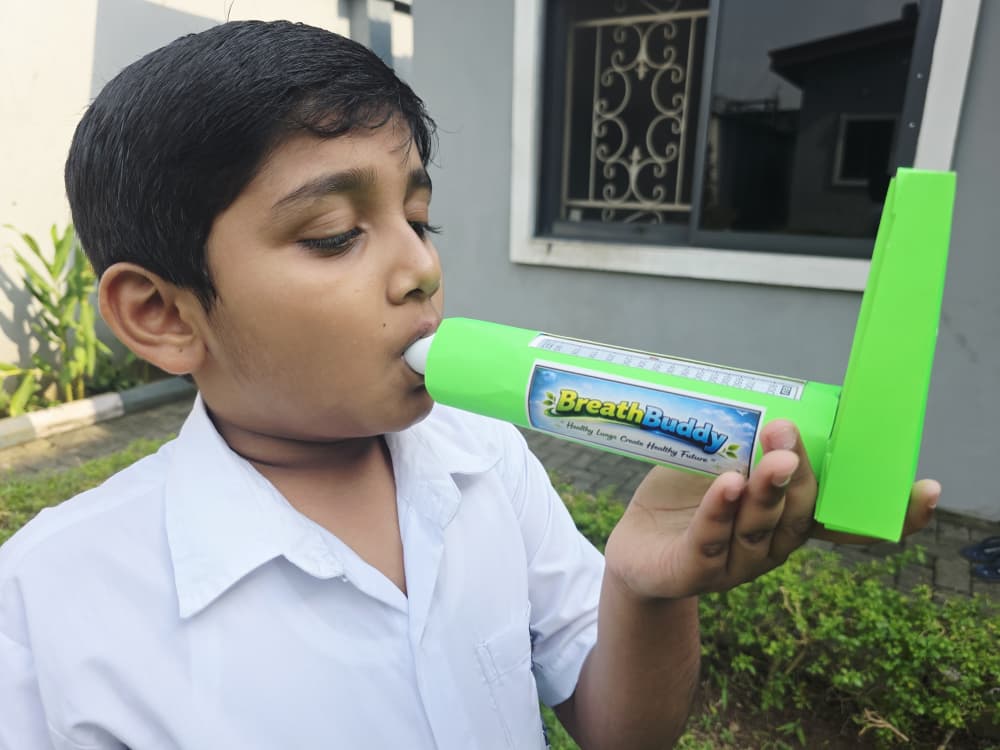
BreathBuddy is an intelligent, affordable digital health device that can help detect early lung problems and make lung health monitoring accessible to everyone. BreathBuddy bridges the gap between traditional medical tools and smart technology by converting a simple peak flow meter into an intelligent early lung health monitoring system. It is useful and simple to use for kids, old age , visually impaired, and for people who can’t hear.it is preventive device .it helps to detect lung infection early which is second highest reason of deaths worldwide. Our mission is to save millions of lives globally.
Supreme Sight
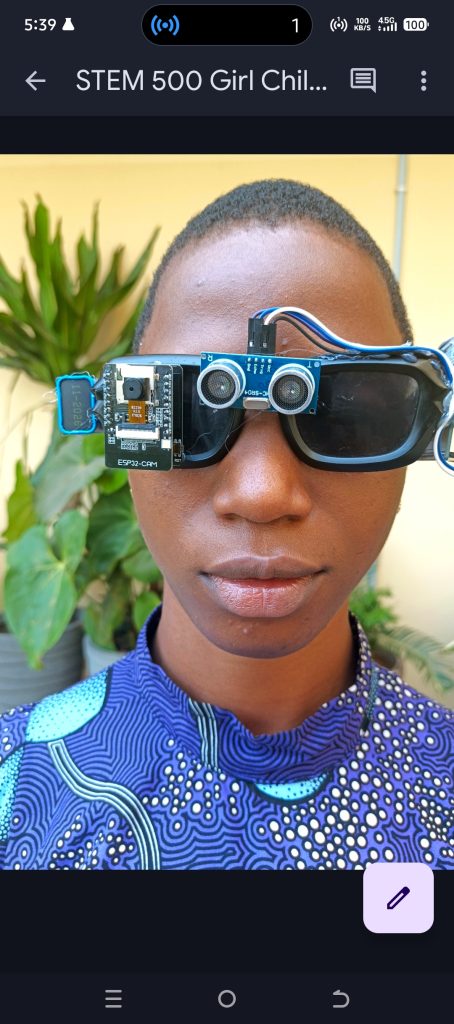
Supreme Sight Prototype
Supreme Sight is an AI-powered wearable assistive device designed to support visually impaired learners in their safety, mobility, and daily wellness.
It is a prototype created to bring comfort, independence, and confidence to people living with visual impairment, while helping to reduce the inequalities between the sighted and the visually impaired community.
The device consists of dark wearable smart glasses fitted with sensors, combined with the traditional white cane used by visually impaired individuals. Supreme Sight is not designed to replace the white cane, which has long been a trusted mobility tool. Instead, it enhances and complements it with modern technology to provide additional layers of safety and awareness.
How Supreme Sight Works
1. Ultrasonic Sensor – Obstacle Detection
Supreme Sight is equipped with an ultrasonic sensor mounted on the glasses. This sensor helps detect obstacles while a visually impaired person is moving. When an object is detected within a certain distance, the system alerts the user, helping to prevent accidents and improve safe navigation.
This feature supports SDG 3: Good Health and Well-Being by promoting safer mobility and reducing the risk of injuries.
2. Temperature Sensor – Food Safety Awareness
The prototype also includes a temperature sensor that helps detect how hot or cold a substance is, especially food.
For visually impaired individuals, determining the temperature of food can sometimes be difficult.
Very hot food can burn the tongue or gums.
Cold or improperly stored food may carry germs if it is not warmed properly.
With the help of the temperature sensor, users can know whether food is too hot, too cold, or safe to consume. This helps prevent injuries and promotes healthier eating habits.
This feature supports SDG 3: Good Health and Well-Being and SDG 10: Reduced Inequalities.
3. Gas Sensor – Fire and Smoke Detection
A gas sensor mounted on the white cane helps detect the presence of smoke, flames, or harmful gases in the immediate environment.
The sensor operates with three threshold levels:
600 – High presence of smoke, gas, or flames
450 – Mild presence of smoke, gas, or flames
200 – No smoke, gas, or flames detected
This feature helps visually impaired users become aware of environmental dangers such as fire or gas leaks while moving around.
4. Buzzer – Alert System
The system includes a buzzer that produces sound alerts whenever potential danger is detected.
The buzzer is activated when:
The gas sensor detects smoke, flames, or gas above the warning threshold.
The ultrasonic sensor detects an obstacle in the user’s path.
The temperature sensor detects excessively hot food.
This audio alert ensures that the user receives instant feedback about their surroundings.
5. Arduino Uno – The Brain of the Prototype
At the center of the system is the Arduino Uno microcontroller, which acts as the brain of the Supreme Sight prototype.
The Arduino Uno processes signals from all the sensors, interprets the data, and then sends commands to the alert system (such as the buzzer). It coordinates how the sensors work together, ensuring the device responds quickly and accurately to environmental changes.
6. Power Supply – Lithium Battery
The prototype is powered by a rechargeable lithium battery, which provides the electrical energy needed to run the sensors, microcontroller, and alert system.
7. Jumper Wires – Electrical Connections
Jumper wires are used to connect all the electronic components together, allowing signals and power to flow between the sensors, Arduino board, and other parts of the system.
Impact
Supreme Sight represents how technology and empathy can come together to solve real-world problems. By combining traditional mobility tools with smart sensors, the prototype empowers visually impaired individuals with greater independence, safety, and dignity.
It contributes to:
SDG 3 – Good Health and Well-Being
SDG 10 – Reduced Inequalities
I
WashGuard Ai
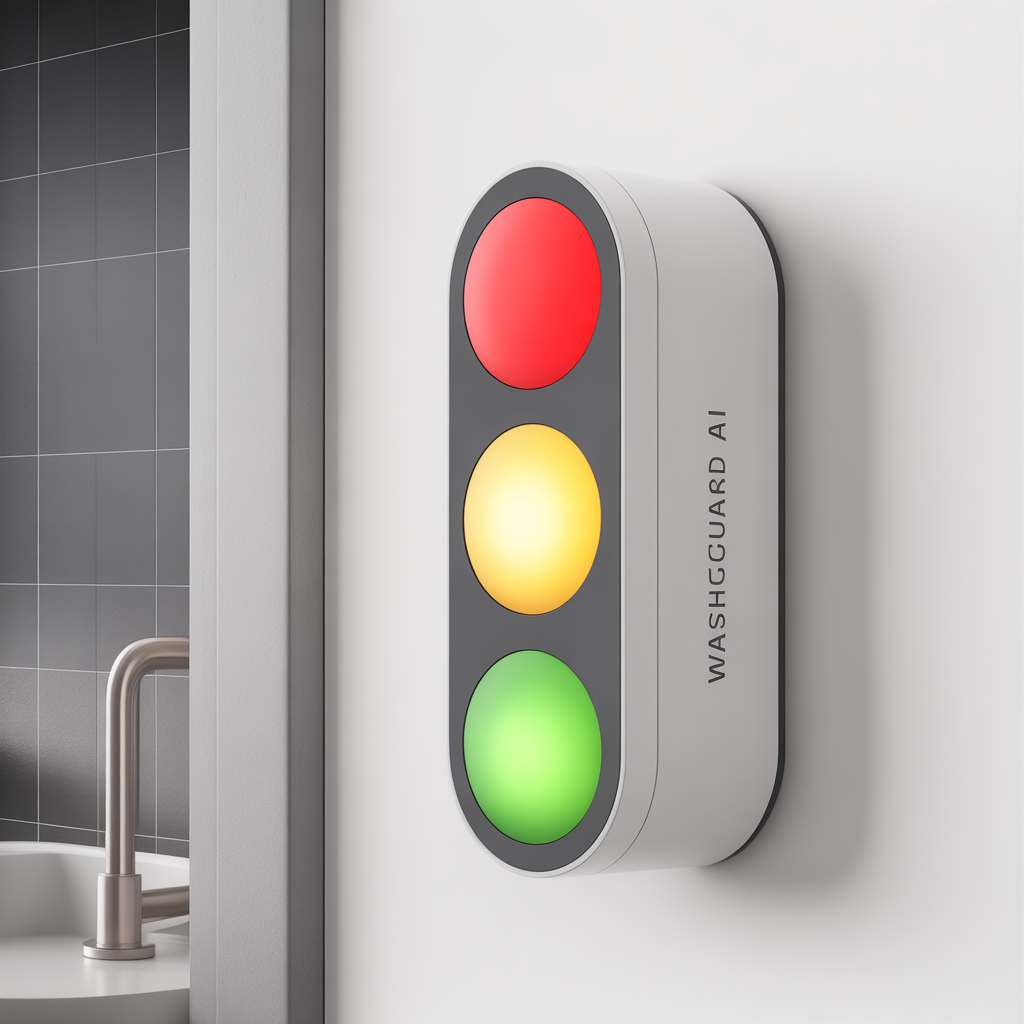
Designing an affordable sensor-based device that measures usage and surface cleanliness, then displays a traffic-light alert (green / yellow / red) for public places. Built and prototyped using PixtoBlox (block coding) with a physical sensor array and LED indicator
AI screening of common skin cancers
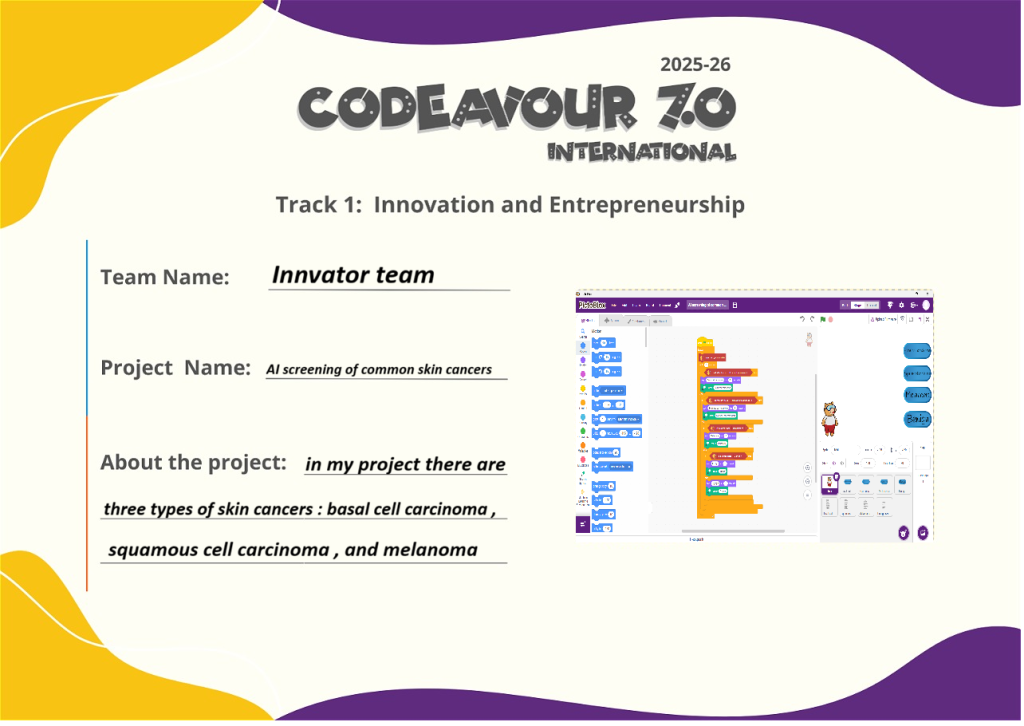
My project description: My project name is AI screening of common skin cancers. I developed my project using the Pictoblox platform. My project helps people determine if they have one of the three common types of skin cancers I used: basal cell carcinoma, squamous cell carcinoma, and melanoma, or if it’s benign. The method of use is as follows: users place any suspected area on the recognition window. If it’s one of the three types of cancer, it will indicate that it is. If it’s benign, it will also indicate that it is. There are buttons that, when pressed for one of the three types, provide information on symptoms and treatment options. If pressed for benign, it provides information on prevention methods. My project differs from others because it provides diagnoses, signs & symptoms, and treatment options for anyone at home. May is Skin Cancer Awareness Month, and I created my project to encourage people to focus on this issue. People often mistake skin cancer for a mole or a lesion, while treatment should begin as soon as possible to prevent it from becoming dangerous.
In the end, I would like to say that this project is a screening tool and not a final diagnosis, because the final diagnosis requires a doctor.
Respoex
Problem
Air pollution is a serious invisible threat, especially for patients with asthma and COPD. Harmful gases such as carbon monoxide cannot be seen or detected early, which may lead to sudden breathing difficulty, chest tightness, or respiratory attacks.
Most patients realize the danger only after symptoms become severe. In addition, available medical monitoring devices are expensive, hospital-based, and not suitable for daily life, leaving patients unprotected during critical early stages.
Solution
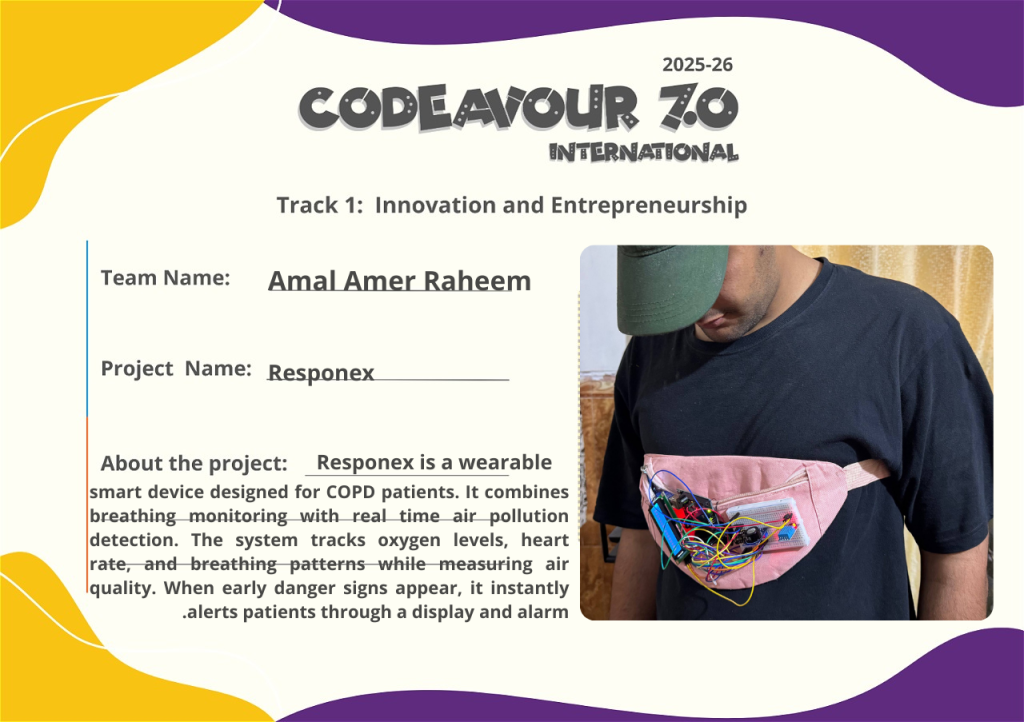
Responex is a low-cost, wearable chest-mounted device that acts as an early warning system for asthma and COPD patients.
It proactively detects danger before symptoms worsen by monitoring both:
Environmental conditions: Air pollution, carbon monoxide, and toxic gases
Physiological signals: Breathing rate and chest movement
By linking environmental data with the user’s respiratory patterns in real time, Responex detects early signs of respiratory stress and alerts the patient immediately, preventing dangerous attacks before they occur.
How It Works
Responex continuously collects data from air-quality and body sensors.
An Arduino controller analyzes the data to identify risky situations, such as poor air quality combined with abnormal breathing.
When danger is detected, the system alerts the user through:
A display screen
An audible alarm
A simple color-coded warning system
This allows the patient to react quickly by moving to a safer place or seeking medical help.
Project Benefits
Preventive Care: Detects risks early before a medical crisis occurs
Integrated System: Combines environmental and respiratory monitoring in one wearable device
Affordable & Portable: Suitable for daily use outside hospitals
Urban Safety: Detects invisible toxic gases like carbon monoxide
24/7 Monitoring: Ensures continuous protection and early intervention
TRINETRA – AI-Powered Autonomous Emergency Drone Ecosystem

TRINETRA is a modular AI-powered autonomous drone ecosystem designed to enhance public wellness, emergency response, and equitable access to essential services. The platform integrates intelligent aerial systems with real-time data processing to support medical supply delivery, disaster monitoring, safety surveillance, and infrastructure inspection.
By combining advanced flight control systems, GPS-enabled navigation, onboard AI processing, and sensor-based obstacle detection, TRINETRA enables reliable and autonomous operations in both urban and remote regions. The system is designed as a scalable aerial network where multiple drones can operate in coordination through a centralized ground control architecture.
TRINETRA aims to bridge critical service gaps in underserved communities by providing rapid response capabilities, healthcare access support, and public safety monitoring. The long-term vision is to build a cost-effective, intelligent aerial infrastructure that promotes technological equity and improves overall community wellness.
Engelsiz Market
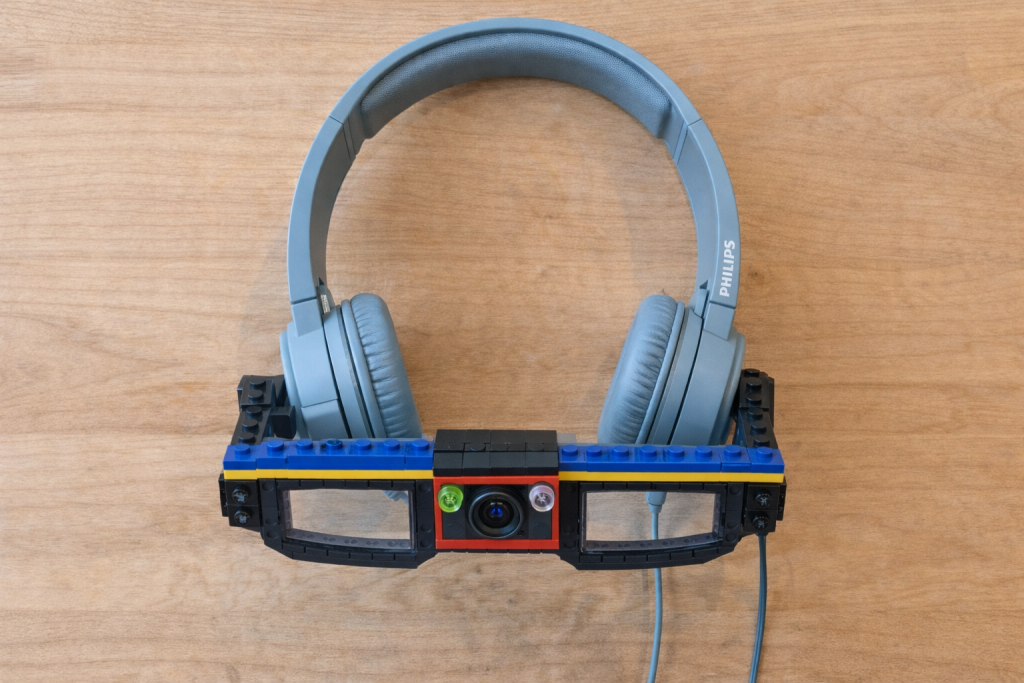
Bu proje, görme engelli bireylerin markette bağımsız alışveriş yapabilmelerini sağlamak amacıyla geliştirilmiş yapay zekâ destekli akıllı gözlük sistemidir. Sistem; kamera bulunan bir gözlük prototipi ve mikrofonlu kulaklıktan oluşmaktadır.
Kullanıcı markete girdiğinde satın almak istediği ürünleri mikrofona söyler. Gözlük üzerindeki kamera rafları tarar ve istenilen ürünü tespit ettiğinde sağda veya solda olduğunu ve fiyat bilgisini kulaklık aracılığıyla sesli olarak bildirir. Ürün sepete yerleştirildiğinde, sepette bulunan ikinci kamera ürünü tekrar kontrol ederek doğrulama yapar ve yanlış ürün alınmasını engeller.
Bu projenin amacı, görme engelli bireylerin alışveriş sırasında başkasına ihtiyaç duymadan güvenli, kolay ve bağımsız şekilde alışveriş yapmalarını sağlamaktır.
Akıllı Okul Giriş ve Biyogüvenlik Takip Sistemi
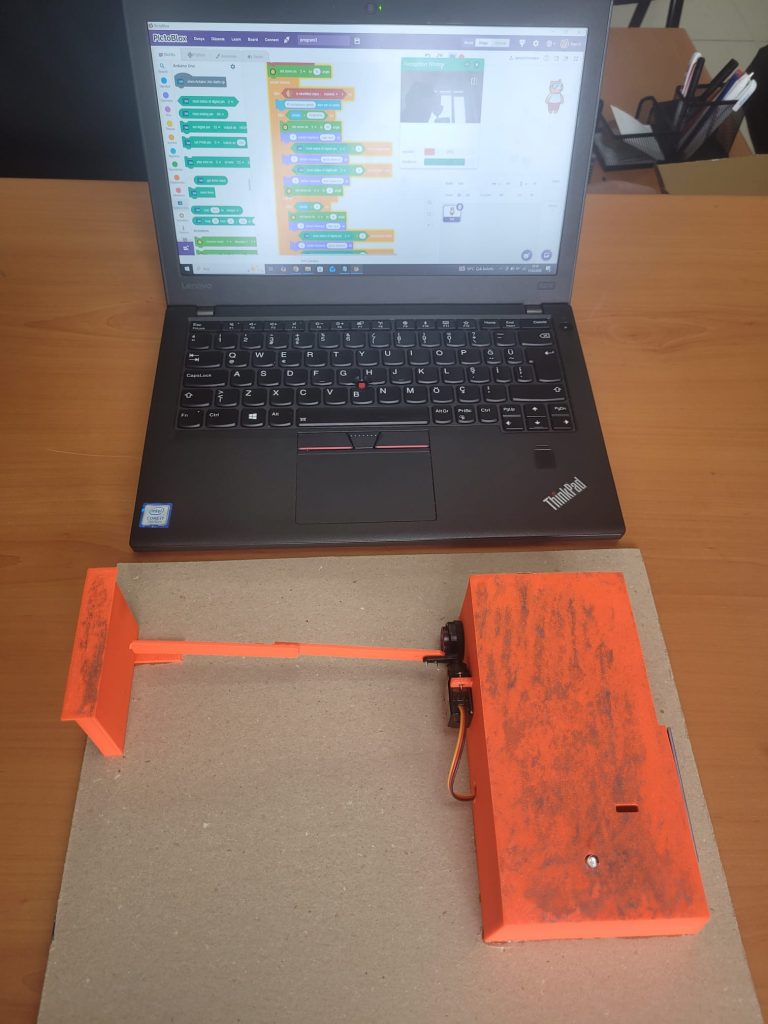
GZYFL2 takımı olarak Codeavour 7.0 International için geliştirdiğimiz “Akıllı Okul Giriş ve Biyogüvenlik Takip Sistemi”, kalabalık eğitim ortamlarında bulaşıcı hastalık yayılımını otonom teknolojilerle engellemeyi hedefler. Manuel ateş ölçümü ve maske kontrolündeki hataları gidermek amacıyla tasarlanan sistem; RFID, IR ısı sensörü ve Yapay Zeka bileşenlerini bütüncül bir ekosistemde birleştirir.
Öğrenci RFID kartıyla tanımlandıktan sonra, IR sensörüyle temassız vücut ısısı ölçülür. Isı normal değerlerin üzerindeyse sistem, öğrenciyi sesli komutlarla maske denetimine yönlendirir; AI destekli kamera maske kullanımını onaylamadan geçişe izin vermez. Projemizi farklı kılan en önemli özellik, riskli durumların Telegram API üzerinden anlık raporlanması ve sınıf bazlı vaka yoğunluğunu takip eden Erken Uyarı Algoritmasıdır. Fusion 360 ile tasarlanan otonom terminalimiz, okul yönetimlerine dijital bir biyogüvenlik kalkanı sunarak toplum sağlığını korur.
Dobby
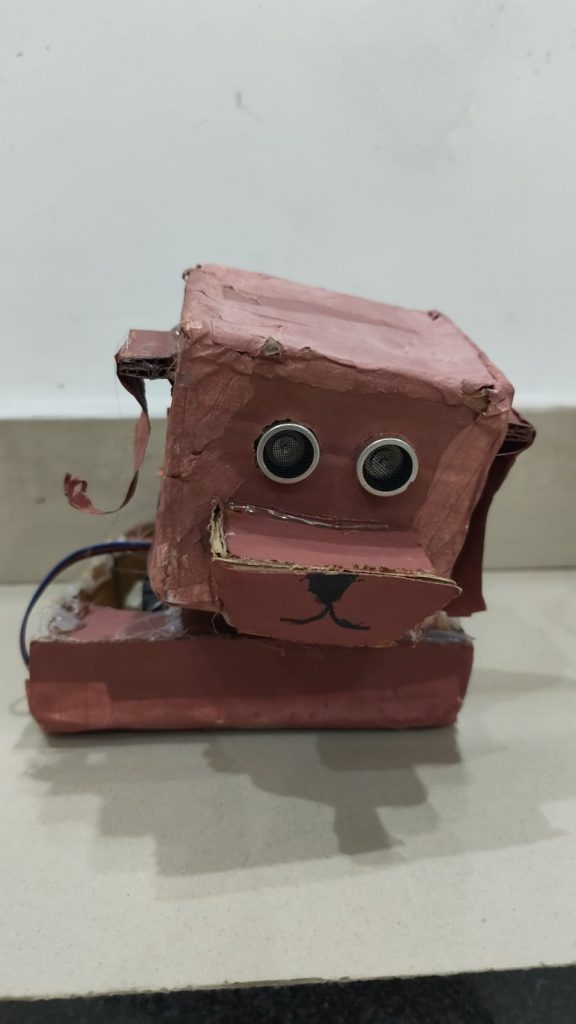
Our project is a smart robotic dog named Dobby designed to guide blind people and help them walk safely and independently. Dobby is built using Quarky and an ultrasonic sensor that detects obstacles in front of it. As the robot moves forward, the ultrasonic sensor continuously measures the distance between the robot and any object ahead. This helps the robot understand whether the path is clear or blocked. When something comes in front of Dobby, it immediately stops moving to prevent collision. At the same time, its head moves left or right to indicate the presence of an obstacle and to give directional awareness to the user. This movement also makes the robot look more interactive and lifelike, similar to a real guide dog.
Once the obstacle is no longer in the way or the path becomes clear, Dobby continues moving forward and resumes guiding the user. The entire system is programmed using simple block coding in PictoBlox, making it easy to design, understand, and operate. This project demonstrates the practical use of robotics and sensors in assisting visually impaired people in their daily lives. It focuses on safety, obstacle detection, navigation, and smart response. By combining technology with social responsibility, Dobby acts as a helpful robotic guide dog that supports independent movement and builds confidence for blind users while walking.