
Medicare AI
Medicare AI is an intelligent healthcare tool designed to promote better wellness and accessibility for everyone. It helps users make informed health decisions by analysing their daily diet and providing a personalized health score based on nutritional guidelines. The system includes an interactive chatbot that can answer questions related to diseases, medications, and general health concerns, making reliable information easily accessible. It also assists users in finding suitable doctors by guiding them to relevant healthcare services. This project addresses key challenges such as lack of diet awareness, difficulty in accessing trusted medical professionals, and risks of self-diagnosis. With a simple and user-friendly interface, Medicare AI ensures that people of all ages can use it effortlessly. Overall, the project aims to combine technology and healthcare to create a smarter, more informed, and healthier society.
Mute Assistant
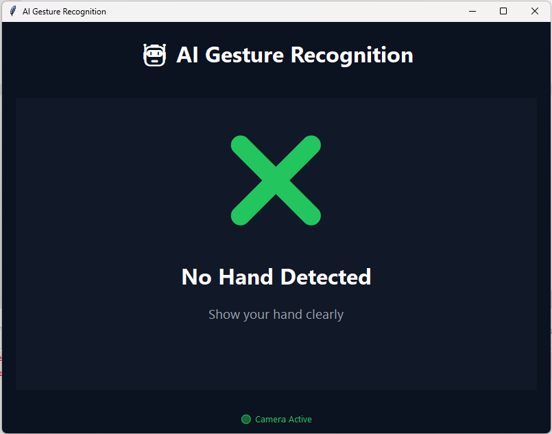
The Mute Assistant is an innovative AI-powered tool designed to bridge the communication gap for individuals with speech impairments. It enables users to express themselves through hand gestures and translates them into meaningful text or commands in real time. The system uses machine learning models to accurately recognize gestures and provide quick responses. Its simple and user-friendly GUI ensures accessibility for people of all ages. The project supports daily communication and also allows emergency interaction and system control features. By combining technology with natural human expression, Mute Assistant promotes inclusivity and independence. This solution aims to make communication faster, easier, and more effective, ultimately empowering individuals who struggle to speak and helping create a more understanding and connected society.
ArogyaYantra
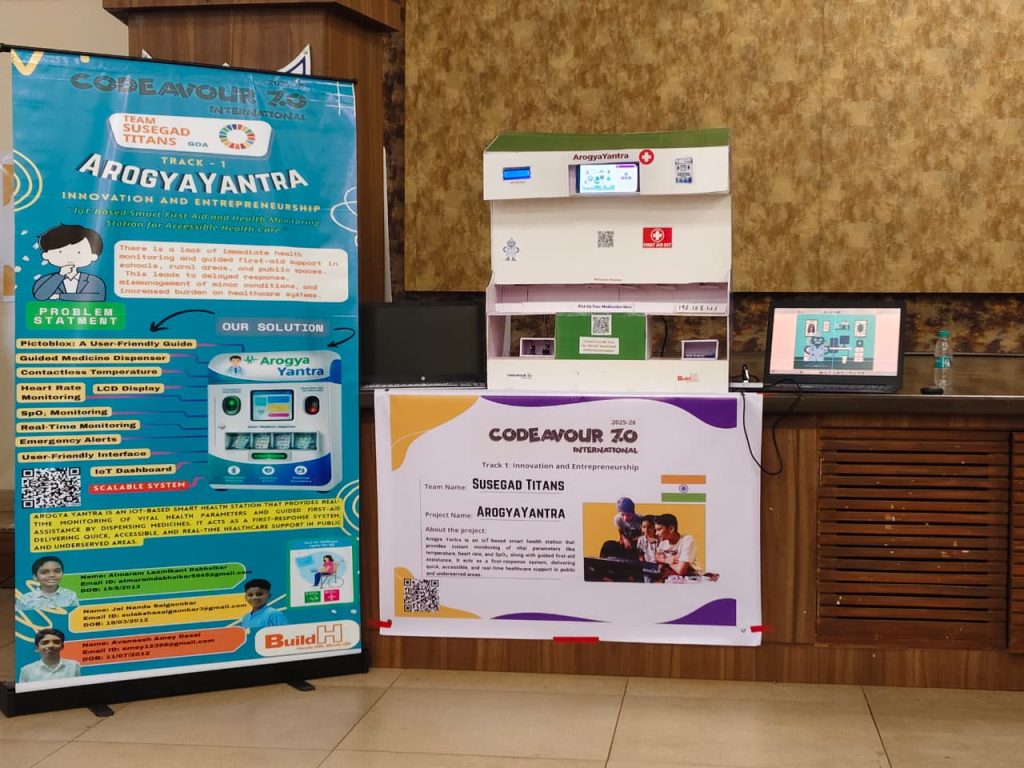
Arogya Yantra is an IoT-based smart health station that provides instant health monitoring and guided first-response care. It helps users quickly check vital parameters and receive basic assistance, reducing delays in accessing healthcare.
PranaTech
India is the Diabetic Capital and it causes life threatening complications like blindness.
PranaTech can:
1) Predictive analysis: predicts the risk of developing diabetes and assigns a personalized health score and based on this provides recommendations for diet and lifestyle changes.
2) Made a 3D printed Fundus Camera which can take pictures of the retina. This is affordable and portable
3) Using ML, it can detect if a person has diabetic complications which can be treated early which will help in decreasing blindness.
This model is a working model which can be used in real life to do mass screening.
It is grounded in the vision of inclusive and equitable healthcare by providing affordable AI powered screening and diagnostic platforms. It promotes preventive healthcare by empowering individuals with personalized health insights.
Shadow Rover/Human Following Robot
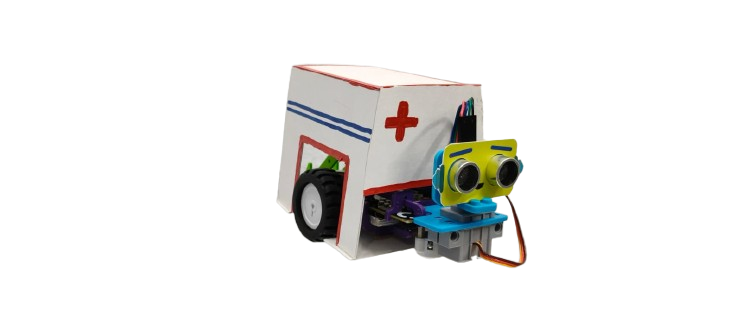
The Shadow Rover is an innovative robotics project designed to assist hospital staff by reducing physical strain and improving workflow efficiency. Nurses often walk long distances during their shifts while carrying medical supplies, which can be tiring and time-consuming. This project introduces an autonomous rover built using Quarky and ultrasonic sensors that can intelligently follow a nurse during rounds. Acting as a mobile supply cart, it carries essential items such as medicines, files, and equipment, allowing healthcare workers to focus more on patient care. Unlike existing solutions like manual robots or basic obstacle-avoiding systems, the Shadow Rover combines autonomous human-following with load-carrying capabilities. It can operate on various surfaces, including rough outdoor areas, making it versatile and practical. Overall, the project aims to save time, reduce workload, and enhance efficiency in healthcare environments through smart automation and user-friendly design.
Visually I am Paired
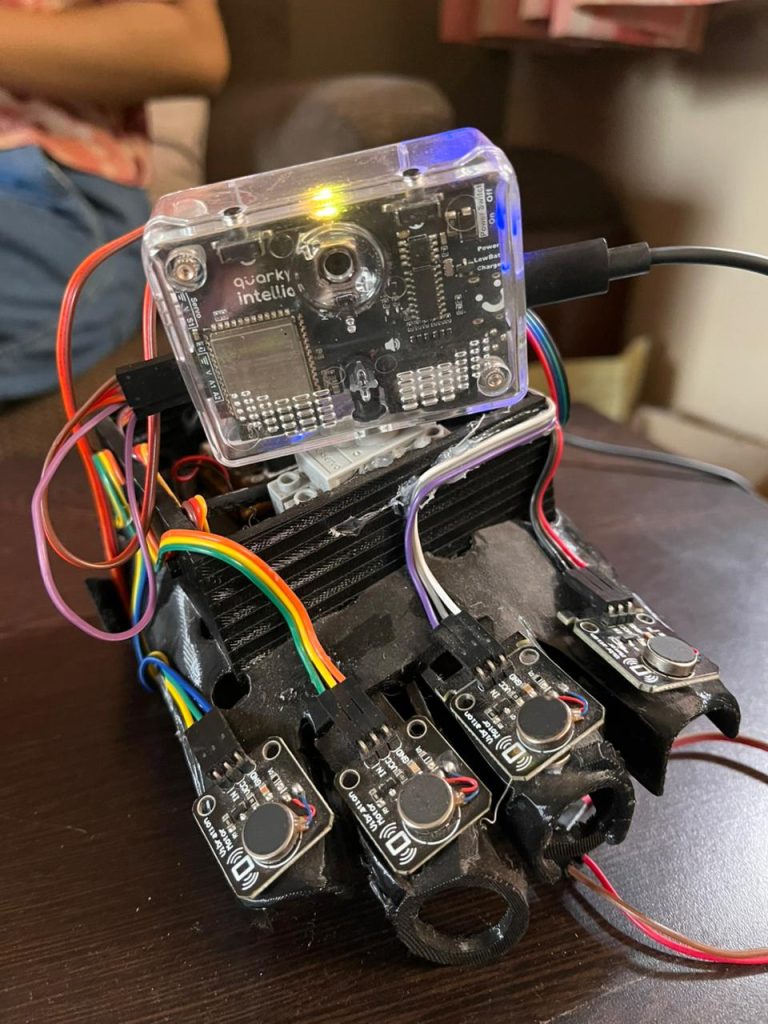
We are proud to present our project, *“Visually I Am Paired.”*
The idea behind our project is simple but powerful — to pair a visually impaired person with technology, so they can live more independently, confidently, and safely.
As we know, cameras have been able to capture the world for many decades. But today, with the power of Artificial Intelligence and Machine Learning, we can go beyond just seeing — we can understand what we see. And more importantly, we can convert that understanding into meaningful feedback like *audio and touch*, for those who need assistance.
Our project works almost like a *cyborg vision system* — where technology becomes an extension of human senses.
We are using the *Quarky Intellio board with its camera, combined with **PictoBlox software*, to build this intelligent assistive system.
Our inspiration comes from a student at Lighthouse Blind School in Kolkata, who shared a very emotional wish —
they wanted to sense when their loved ones are around them, even if they cannot see them.
This motivated us to create something truly meaningful.
Our project has three main parts:
*First — Face Recognition.*
Our system can detect faces in real time. It remembers them, stores them in a list, and when the same person appears again, it calls out their name through audio.
This allows visually impaired users to recognize people around them — bringing back emotional connection and confidence.
*Second — Object Detection with Haptic Feedback.*
We designed and 3D-printed a special glove with *five vibration motors*, one on each finger.
The Intellio camera “sees,” PictoBlox “thinks,” and the output is given through *sound and vibrations*.
For example, if a blue bottle is placed in front of the user, the system not only says “blue bottle detected,” but also guides the user toward it using vibrations in specific fingers.
This helps the user understand where the object is — not just what it is.
*Third — XR-Based Interactive Game.*
We created a fun and engaging experience using 3D and XR Studio in PictoBlox.
In this game, objects are hidden, and the user finds them using vibration cues.
It’s like playing hide and seek — but in a way that builds spatial awareness and confidence.
And yes, here, being blind means no cheating at all!
Our project is not just about technology — it’s about *empowerment, inclusion, and dignity*.
Looking ahead, we aim to expand this system by adding:
* GPS for independent outdoor navigation
* Handwriting and printed text recognition
* A system that can act as a *scribe* for visually impaired individuals
The cost of our glove is approximately *₹15,000 per unit*, and currently, there is no direct product like this available in the market — making this our unique innovation.
In conclusion,
“Visually I Am Paired” is not just a project — it is a step toward a future where no one feels limited by their disability, because technology stands beside them as a true companion.
Thank you.
HELPNG HANDS V2.0
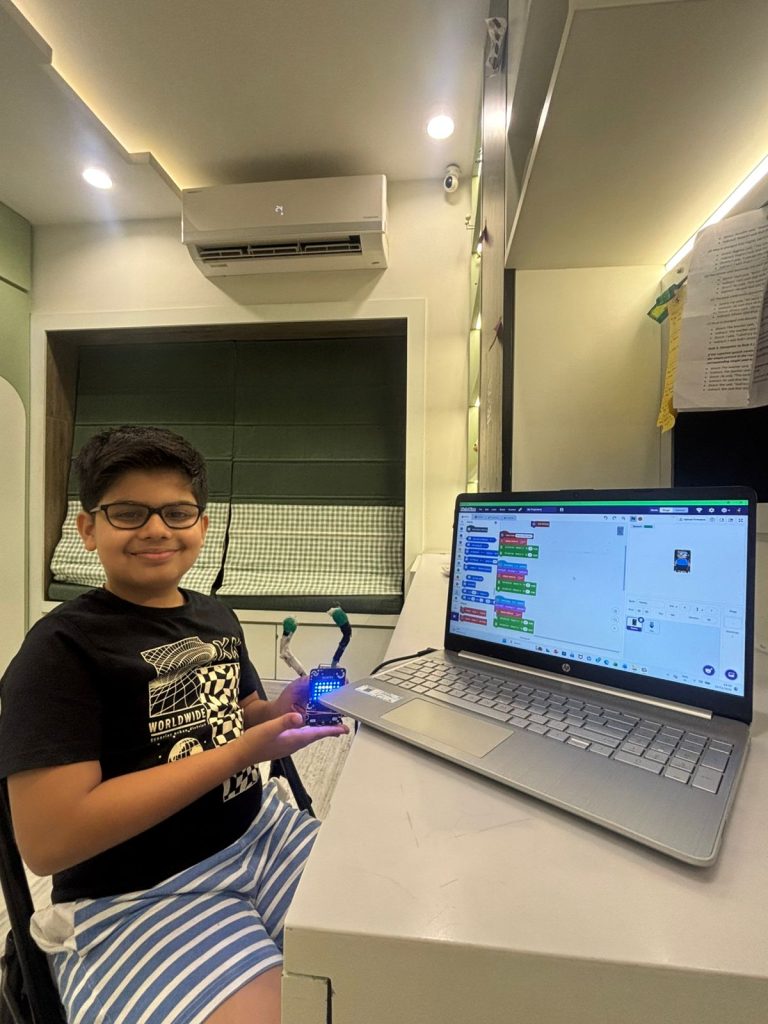
My name is Parshv Lakhani, and I am representing the Eastern Region.
My project, Helping Hands V2.0, is developed under the theme Tech for Wellness, Equity for All.
Today, around 35 to 40 million people worldwide need prosthetic hands. However, most prosthetic devices cost more than ₹25,000 and can go up to several lakhs—making them unaffordable for many, especially in our country.
This inspired me to create a low-cost, accessible prosthetic hand—with a goal to make it cheaper than a smartphone.
My prosthetic hand works using muscle signals, also known as EMG signals. Using an EXG BioAmp sensor, the system detects electrical activity from muscles. When the user flexes their muscle, the signal is captured, processed, and the motors move accordingly.
Since EMG signals vary from person to person, calibration is required for each user to ensure accurate and reliable control.
The hand uses two 180-degree servo motors for strong and controlled gripping, allowing users to handle everyday objects. Additionally, a 360-degree servo motor enables wrist rotation, improving flexibility and usability.
The software is developed using PictoBlox, enabling real-time response based on muscle input.
I have also developed multiple interchangeable hands for different functions—such as one for brushing and another for opening handles. These are made using TPU for flexibility and durability.
For attachment, I designed a simple and cost-effective solution using a Pringles can structure, combined with plaster of Paris and Velcro, ensuring a secure yet comfortable fit.
Another version, powered by Arduino, is designed specifically for typing, enabling users to perform digital tasks independently. It uses a code in PictoBlox C++
I also explored innovative designs—such as a tentacle-inspired gripper influenced by an octopus—which improves adaptability and grip on objects of different shapes.
To enhance durability, I reinforced the fingers using a glue gun, making them stronger for daily use.
The software is developed using PictoBlox, enabling real-time response based on muscle input.
During my journey, I visited the Institute for Handicapped and Backward People, where I presented my innovation. Based on feedback from the principal, I improved the design to make it more human-like and durable.
The device is battery-powered, making it fully portable and independent of wires—so users can rely on it in their everyday lives.
Most importantly, the total cost of this hand is only around ₹6,848—a fraction of traditional prosthetic hands. The Arduino-based version costs only ₹3,210.
While most businesses aim for around 10% profit, I have chosen to keep a 7% margin, because my goal is impact over profit. With mass production, the cost can be reduced even further.
This project proves that with simple, affordable components, we can create meaningful solutions that truly impact lives.
My goal is simple—
To make prosthetic hands not a luxury, but a basic human support accessible to all.
We are not just building a robotic hand…
We are giving people their independence back.
Thank you.
Robo fusion
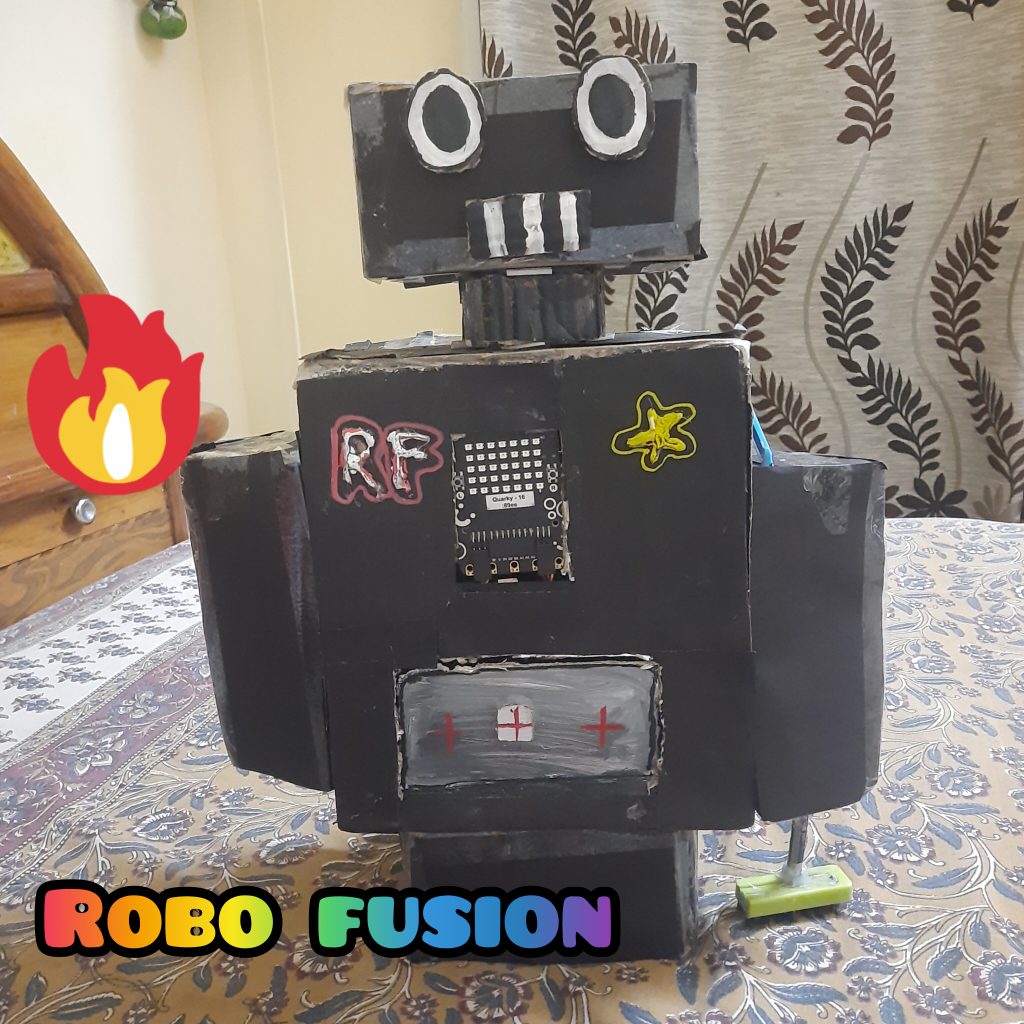
Robo fusion is not just a robot it is a smart solution for modern problems it helps people disabled by hand lazy people working people and even old people it helps disabled by hand people by doing the daily task there often having problems in doing like cleaning the floor and entertaining themselves or making a baby sleep it also helps lazy people because there very lazy to do household work it also helps working people because there often not able to sit down with the children it could make the baby sleep and entertain them by its demo it also helps old people by doing the daily task the body aches in fusion is not just illusion it is a smart solution
VisiWrist
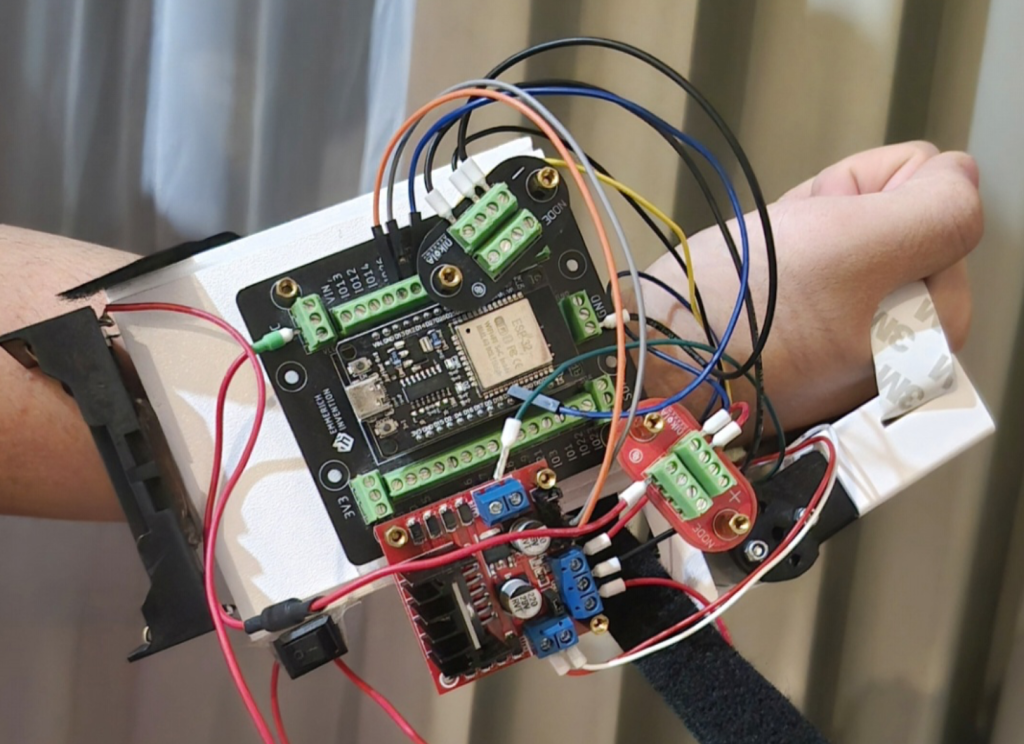
My project is a therapy device to help those with wrist disabilities/imparment that is caused by the lack of muscles. This device uses inputs to adapt to the based on how much power the user needs it scales by 10s, it is made using PLA which makes it an affordable and accessible option for everyone. This device can help those who need muscle gain it back even when they don’t have enough strength.
AMC (Advanced Movement Control)
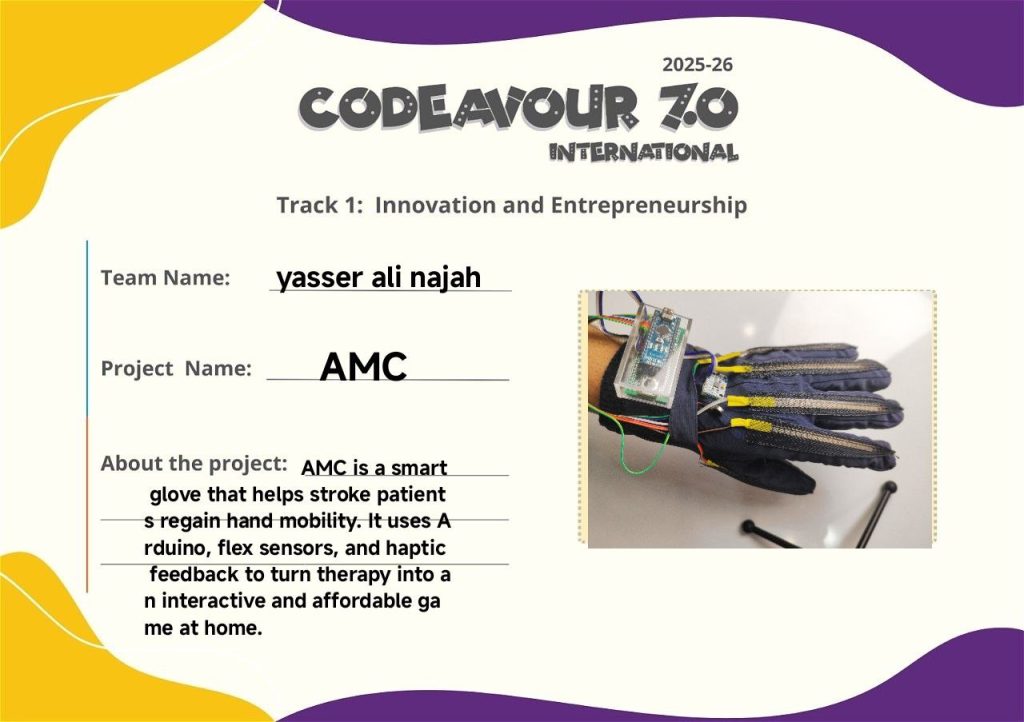
The AMC (Advanced Movement Control) project is a groundbreaking, smart rehabilitation system designed specifically for stroke patients who suffer from impaired motor functions in their hands. The core philosophy of AMC is to bridge the gap between expensive medical robotics and traditional physical therapy by offering an affordable, high-tech, and engaging solution that can be used within the comfort of a patient’s home.
Technologically, the system is built on an Arduino Nano microcontroller, which acts as the “brain” of the glove. It integrates five high-precision Flex Sensors that track finger movements in real-time. What sets AMC apart is its sophisticated Haptic Biofeedback System. By utilizing a vibration motor and a buzzer, the system provides immediate sensory rewards whenever the patient achieves a specific movement goal within the digital environment. This haptic feedback is crucial as it stimulates neural pathways and encourages Neuroplasticity, helping the brain “re-wire” itself to regain control over muscles.
The software side, developed via Pictoblox, transforms repetitive and often boring exercises into a gamified experience. I have implemented complex logic for Auto-Calibration, ensuring the sensors adapt to the unique hand strength and range of motion of each individual user. Furthermore, the code includes digital signal processing to filter out “noise” and jitter, providing a smooth and accurate interaction between the physical glove and the digital game.
Developing this project at age 16 in my home workspace proves that innovation is not limited by resources, but by the will to help others. AMC is not just a glove; it is a smart assistant that monitors progress, motivates the patient, and provides a data-driven path toward recovery.