
Biocheck
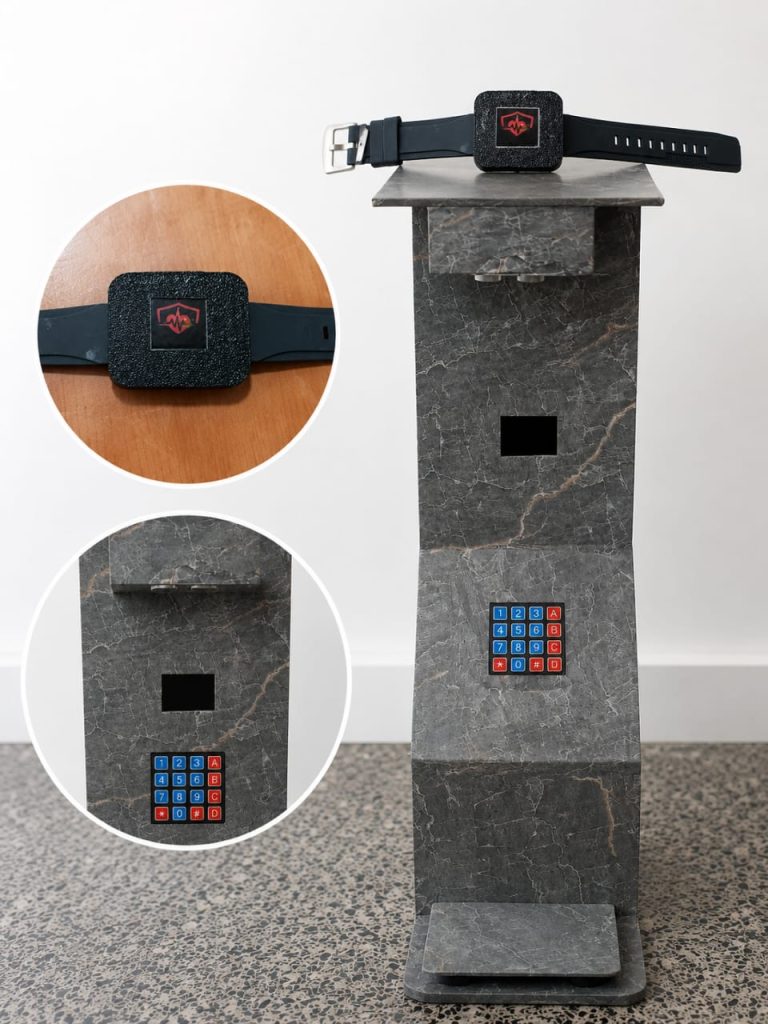
BioCheck is a real-time physiological monitoring system designed to detect abnormal health patterns early by combining data from an ECG-enabled wearable and a smart scale. The system continuously collects biometric signals such as heart rhythm, heart rate variability (HRV), and body weight trends, then processes them into meaningful health indicators instead of raw numbers. Unlike traditional fitness trackers that focus on steps, calories, or isolated metrics, BioCheck builds a personalized baseline for each user and compares incoming data against their normal physiological patterns. This allows the system to identify unusual deviations that may indicate stress, fatigue, or potential health risks at an early stage. The processed data is analyzed using a local AI model, such as Llama 3.1 8B, which performs anomaly detection and pattern interpretation, while a secondary lightweight model like Phi-4 Mini converts the results into simple, understandable feedback for the user. The system outputs clear risk levels and alerts rather than medical diagnoses, ensuring it remains a supportive monitoring tool rather than a clinical replacement. By integrating multiple body signals into a unified analysis system, BioCheck provides accessible, continuous, and intelligent health awareness for everyday users.
Smart Helper Server
An intelligent companion robot designed to support people with disabilities and their caregivers. Developed under the theme “Tech for Wellness, Equity for All”, our project aims to improve independence, accessibility, and quality of life for disabled individuals both at home and in hospitals.
The robot helps users receive water, medication, snacks, or other essential items without needing constant physical assistance. It can communicate requests through an LCD display and can also be controlled using voice commands through Dabble, making interaction easier and more accessible.
For the international showcase, we upgraded the project with a smart wheelchair tracking system that allows the robot to continuously follow the patient and stay nearby whenever assistance is needed.
Smart Helper Server not only supports disabled individuals, but also reduces the workload on caregivers and hospital staff. In the future, we aim to integrate advanced AI and autonomous navigation to make the robot even smarter and more independent.
Smart Health Hospital
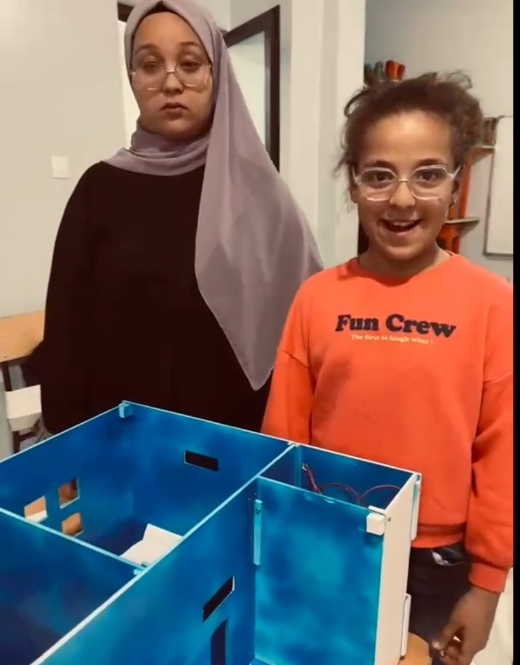
Smart Health Hospital is an intelligent hospital system that uses modern technologies such as sensors, programming, and automation to improve healthcare services and hospital management. The project aims to enhance patient monitoring, provide real-time health tracking, and organize hospital operations more efficiently and safely through smart technology.
lifesense
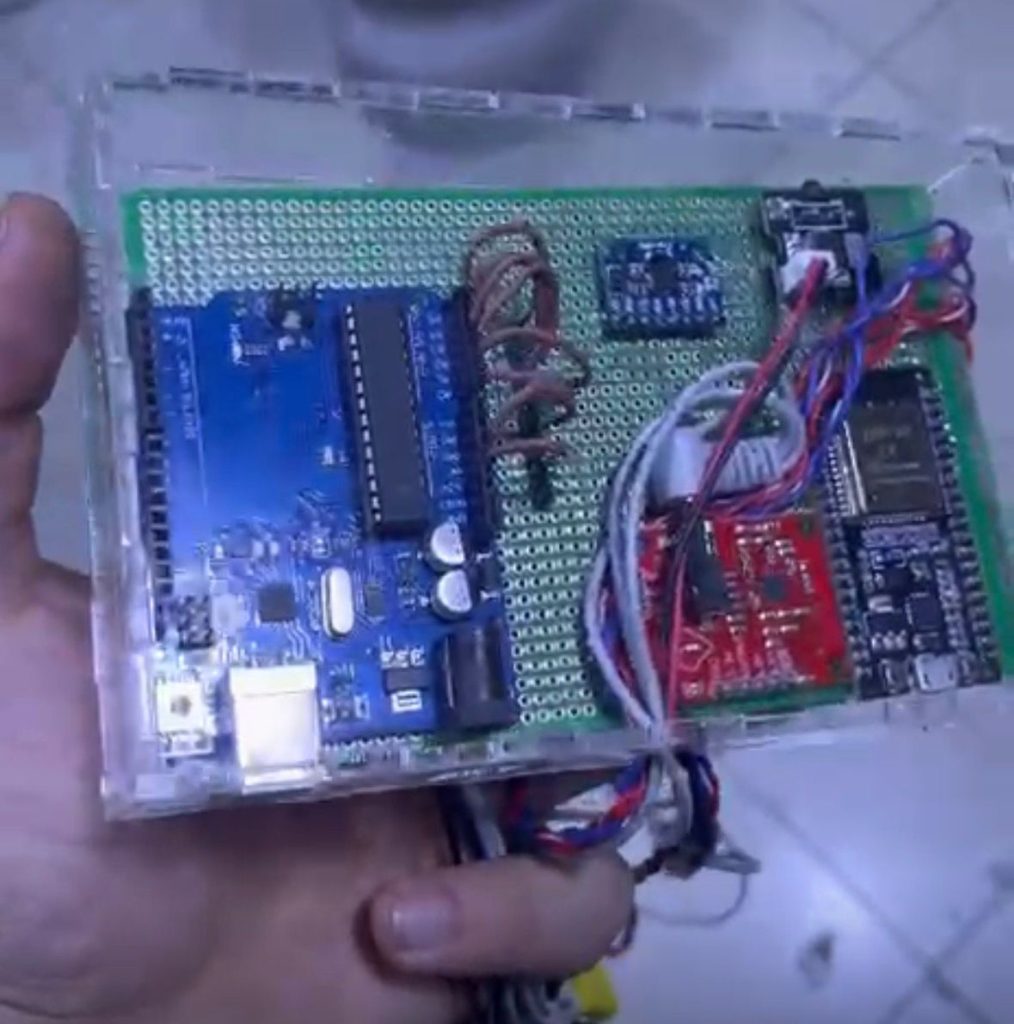
LIFESENSE is an AI-powered healthcare system designed to improve the safety of kidney dialysis patients through continuous real-time monitoring and early risk prediction. The project combines wearable medical sensors, Artificial Intelligence (AI), and Internet of Things (IoT) technologies to monitor vital signs such as ECG, heart rate, oxygen saturation (SpO₂), body temperature, and stress levels (GSR). Using Arduino Uno and ESP32, the system collects and transmits patient data wirelessly for instant analysis. The AI model analyzes abnormal patterns and predicts potential complications hours before they become critical, allowing early medical intervention and reducing emergency cases. LIFESENSE was developed by a team from southern Jordan, inspired by healthcare challenges and limited medical resources in underserved regions. Our goal is to shift healthcare from reactive treatment to proactive prevention, making advanced smart healthcare accessible, affordable, and scalable for kidney patients worldwide while improving patient safety, reducing hospital pressure, and ultimately helping save lives.
MariaCare: AI-Integrated Smart Mask for Real-Time Respiratory Crisis Prediction
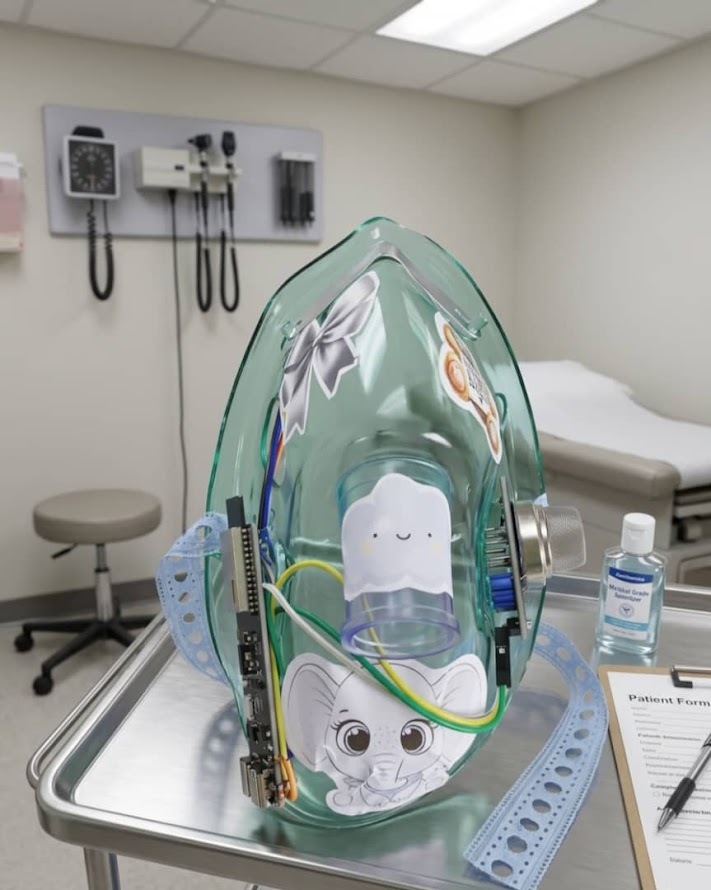
MariaCare is a wearable AI Embedded Systems integrated with an advanced Decision Support Systems. Our solution is a revolution in healthcare; we are moving from ‘Healthcare Treatment’ to ‘AI-Driven Prevention’.
By fusing the raw power of the ESP32-S3 with clinical-grade sensors and Random Forest Classifier, we’ve bridged the gap between complex AI and user-friendly Internet of things (IoT) telemetry, using STEMpedia ecosystem.
To give our model a global perspective on respiratory patterns, we began with the asthma dataset prediction downloaded from Kaggle that contains more then 5,000 records.
We then merged this with our own real-time sensor logs and patient profile data. This creates a bespoke , personalized dataset Hybrid Asthma Dataset that understands the specific biology and environment of the individual patient.
Before training, We performed Feature Engineering to calculate Derived Features. we extract the Respiratory Rate from the MAX30102 data, and we transform the MQ135 gas resistance into a Dust Exposure.
This allows our system to see the hidden correlations between environmental triggers and physiological responses.
For the Brain of MariaCare, we have chosen a Random Forest Classifier, a powerful Supervised Learning algorithm with 98% accuracy.
We trained our model in Python environment, exported it as a .pkl file, and integrated it directly into the PictoBlox environment. This ensures that the intelligence is embedded, not just remote.
MariaCare doesn’t just say ‘Yes’ or ‘No.’ It provides a Probability of Risk. This is the heart of our Decision Support System (DSS).
Because every patient is different, the system allows for a User-Defined Profiling. If the AI’s calculated probability exceeds the user’s comfort limit, the DSS triggers a real-time alert, allowing for intervention before symptoms even start.
AntyDrowningSystem

Our project is a smart anti-drowning system designed to improve water safety.
A wearable bracelet detects abnormal movements and sends an alert via Bluetooth to an external station.
At the same time, cameras above and underwater monitor the swimmer for better detection accuracy.
This system helps provide fast alerts and supports quick rescue to save lives.
NeoBreath Monitor
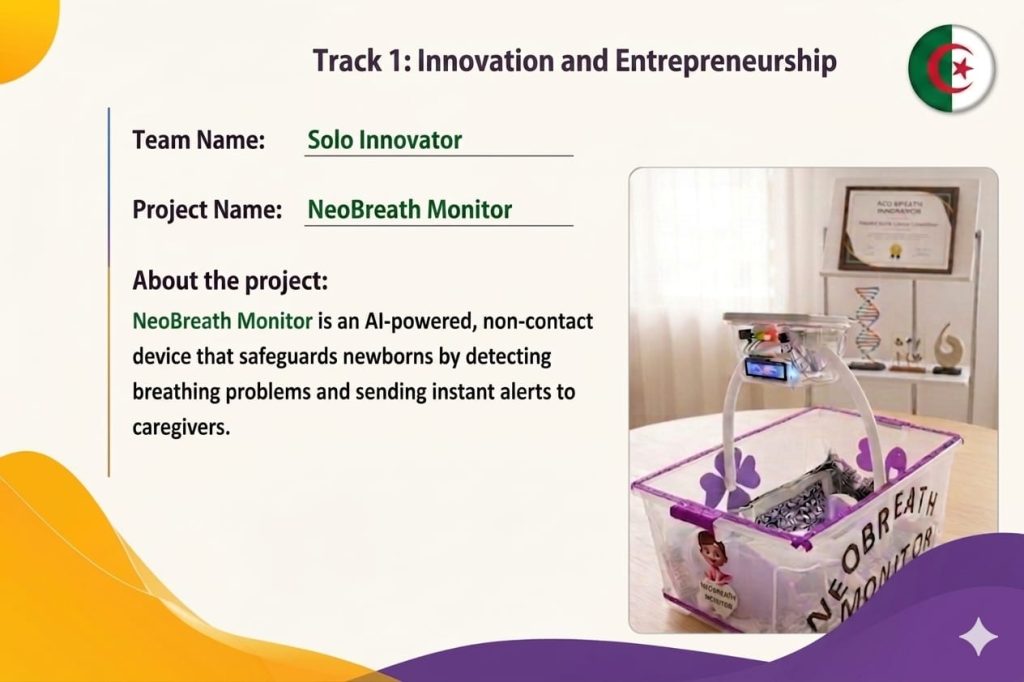
NeoBreath Monitor is a smart, non-contact device designed to protect newborns by continuously monitoring breathing and sending instant alerts to caregivers. Using an ultrasonic sensor, it tracks chest movement, calculates breathing cycles, and transmits data to an AI model that classifies states as Normal, Fast, or Dangerous. Built on an ESP32 board, it integrates with a mobile app and Telegram bot, while an AI-powered PictoBlox camera detects breathing states and face obstructions. Alerts are delivered through LEDs, LCD messages, buzzers, and cloud notifications. The system’s key advantage is early warning before crises occur, ensuring safety without touching the baby’s sensitive skin. Future development includes mmWave sensors and advanced AI, aiming for 98.6% reliability. More than a device, NeoBreath Monitor is a vision for global newborn safety.
Nova clock
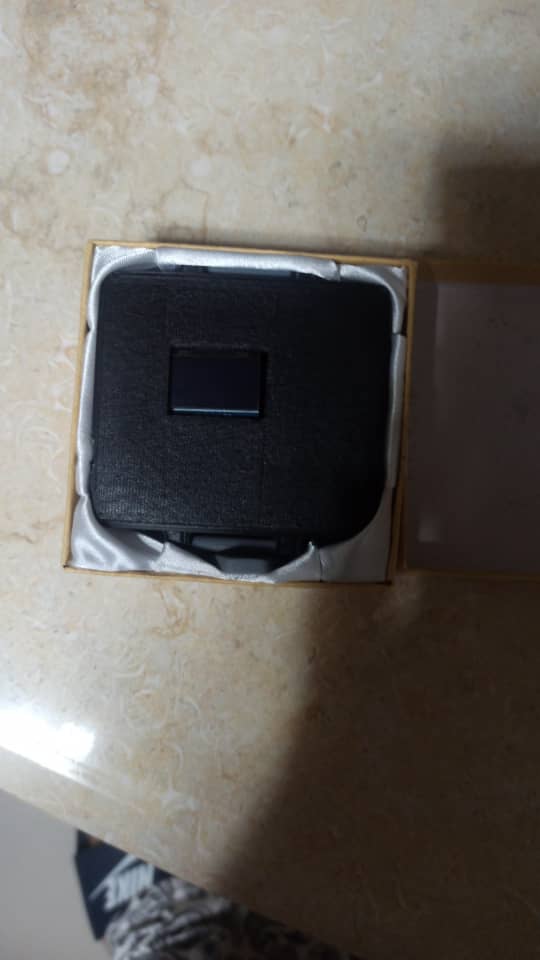
**NovaClock** is an active, autonomous personal safety device built on the **ESP32** architecture. It serves as a compact monitoring laboratory that tracks heart rate and blood oxygen levels ($SpO_2$) while detecting falls with 90% accuracy. Its key innovation is the **Alzheimer’s Safety Mode**, which uses **Geofencing** technology to automatically send the user’s exact coordinates to their family in less than 10 seconds if safety boundaries are crossed. The device ensures 24/7 surveillance with 40% lower power consumption than standard smartwatches.
Smart glove
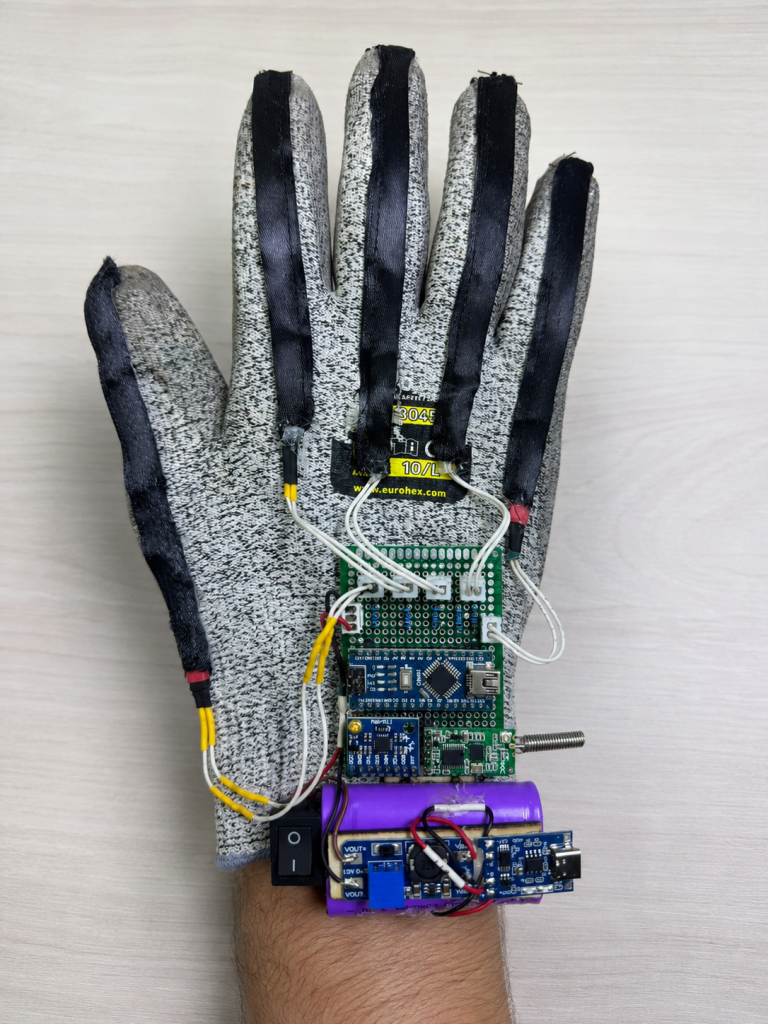
The Smart Glove is a wearable rehabilitation system designed to help paralysis patients track hand recovery more accurately. Traditional rehabilitation often depends on visual observation, which can make small improvements difficult to notice. This project solves that problem by turning finger movement into measurable data.
The glove uses five flex sensors, one for each finger, connected to an Arduino board. When the patient bends or moves a finger, the sensors detect the movement and send the data to PictoBlox software. The system displays live colored bars showing finger movement in real time, helping patients see their progress during exercises.
Before each session, the glove is calibrated to the patient’s own hand range, making the results personalized and fair. It also calculates a Mobility Score and stores session results to show whether recovery is improving, stable, or declining. In addition, facial emotion tracking helps therapists understand the patient’s comfort and motivation.
LVRS – integrating imaging, acoustics and physiology for respiratory insight
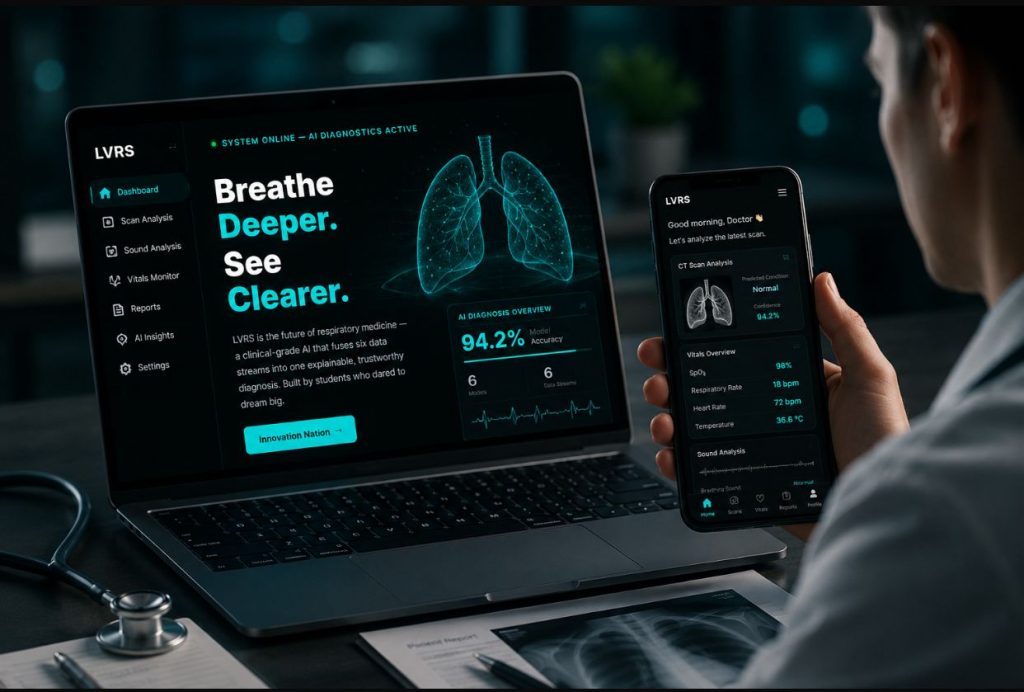
LVRS is an AI-powered multimodal respiratory diagnostic system that analyzes medical imaging, lung acoustics, and physiological biomarkers to enable fast, explainable, and highly accurate respiratory disease screening.Our project includes hardware that captures vital signs and breathing sounds. Designed for clinical-grade intelligence, it fuses six diagnostic streams into one unified decision-making system to support early detection and smarter healthcare outcomes.